
Quazadroid

A runaway space station. Every robot aboard has gone rogue.

The crew are gone, the reactor at the bottom of the station is running hot, and the only thing still taking orders is you: a tiny repair drone with a soldering iron and nerve.

You can't fight a robot. But you can rewire one. Plug in, race its own signal to its core, and it's yours: its speed, its armour, its gun. Ride it down, deck by deck, to shut the reactor off.

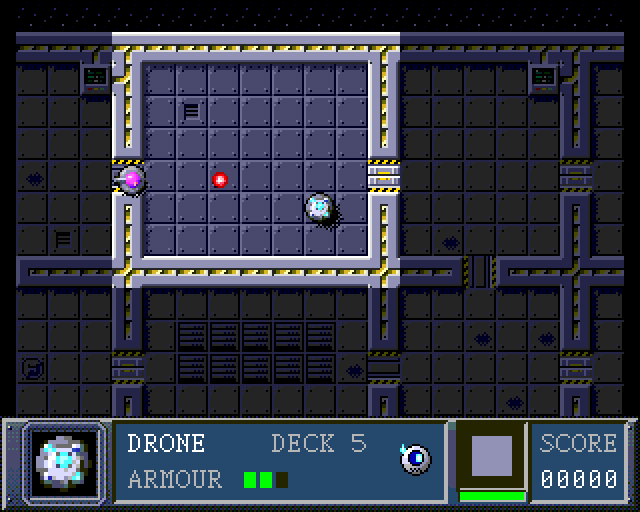
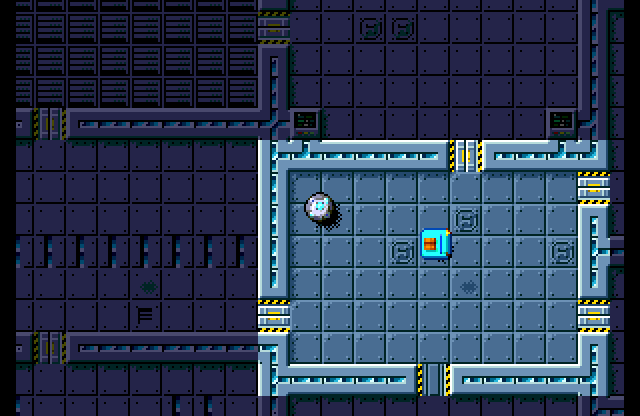
A steel deck seen from above: corridors, consoles and hazard-striped doors, the small grey drone among coloured robots
Work in progress: the first deck, on a Next

How it plays

Small drone, big ideas

What's planned. Our own game in the genre we grew up on, not a remake.

Take over anything

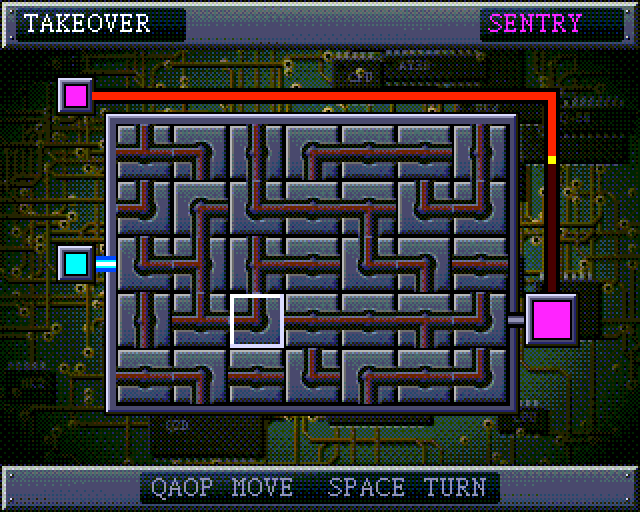
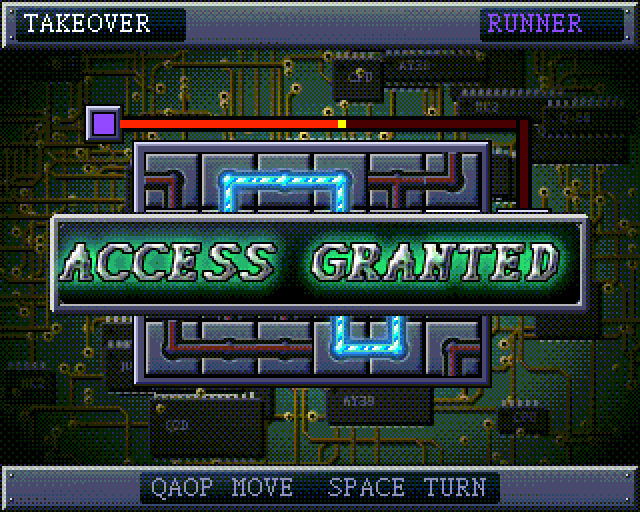
Tap fire to shoot; hold it, and the drone's plugs come out: touch a robot to plug in. A quick wiring puzzle: turn the pieces so your signal reaches its core before its own signal does. Bigger robots have tangled circuits and faster signals.

Become the robot

Win, and you are that robot: its speed, its armour, its weapon. Lose, and you're thrown out weaker. If your host is wrecked, the drone pops out and has to find another, fast.

Down to the reactor

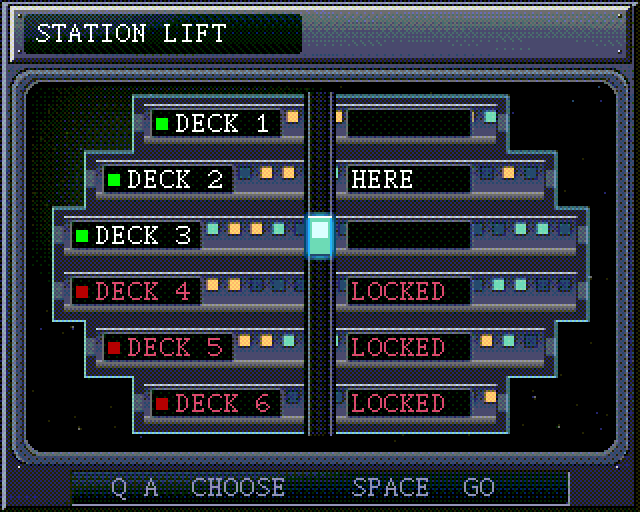
Six decks, lift by lift, down through the station to the reactor at the bottom. Clear a deck of robots and its lights go out behind you, and its lift down opens.

Smooth scrolling

The station scrolls smoothly in every direction, on the Next's own hardware: something the old 8-bit versions of this kind of game could only dream of.

Ranked by colour

Eight kinds of robot, from green sweepers to red overseers. Each one does a job: cleans, carries, mends, guards the doors, rams or shoots.

Dark rooms

You only see what's in sight. The rooms behind the walls stay dark until you go in, so you never quite know what's waiting.

The station speaks

A spacey soundtrack in the spirit of the great 80s sci-fi films, on the Next's three sound chips, and the station's own robotic voice: intruder, access granted, alert level red.

Consoles, doors and pads

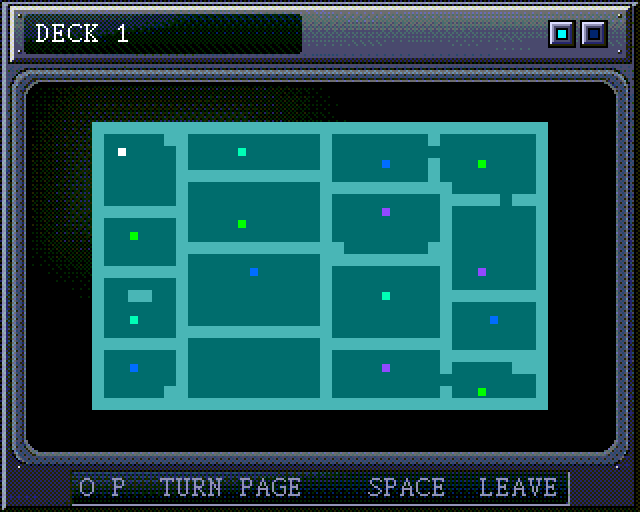
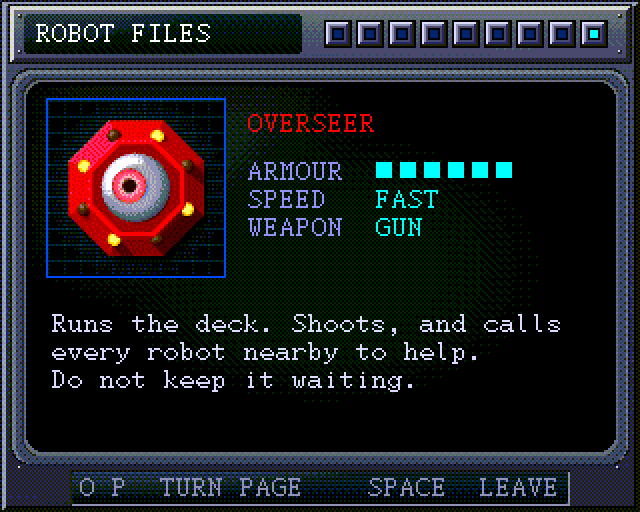
Doors slide open as you come near. Consoles show the deck's map and the files on every robot your rank may know. Recharge pads patch you up, once.

Play your way

Keys you can choose, the cursor keys, or a Kempston joystick. H pauses; M and V turn the music and the voice off; C on the title plays it classic, the whole deck lit and robots seen only while they're in your line of sight. The high score is saved on your SD card.

One sitting

A game you can finish in an evening: twenty to forty minutes, top to bottom. An easy mode on the title screen for a gentler game.

The robots

Know your rank

Every robot on board, weakest first, as the game draws them.

  1. SweeperCleans the decks. Slow, harmless, easy to rewire.
  2. PorterCarries the cargo. A sturdy little box.
  3. MenderRepairs the station, and other robots.
  4. RunnerSmall, sleek and very fast.
  5. WardenHolds the keys to the locked doors.
  6. BruiserDoesn't shoot. Doesn't need to.
  7. SentryA gun turret on wheels.
  8. OverseerRuns the deck. Rewire one, if you dare.

Screens

Work in progress

As a real Next draws them. Click a picture to see it bigger.

Ten seconds of play: plug into a porter, beat its wiring, and ride off in it. Work in progress.

Download

Try the test build

It's free. One file, for a ZX Spectrum Next (any model, 1MB is enough) or an emulator. It plays from the top deck to the reactor, but it's still being tuned, so expect changes.

Latest build: v118, 30 October 2026, 560 KB. What's new in it

  1. On a real Next: copy quazadroid.nex to your SD card. Pick it in the Browser and press ENTER.
  2. In an emulator: open the .nex file in CSpect. Give it an SD card folder if you want your high score kept. In CSpect, Escape closes the emulator: start it with -esc to stop that.
  3. Playing: Q A O P to move (or the cursor keys, or a Kempston joystick), SPACE to fire. Tap fire to shoot; hold it still to put the plugs out, then touch a robot to rewire it. Tap fire at a console or on a lift to use it. H pauses. K on the title sets your own keys.

Changelog

What's new

  • Fixes for testers: a Mega Drive pad (on the Next's joystick ports, in Kempston mode) no longer loses its directions while A, C or START is held.
  • Taking the lift no longer flashes the deck you left for a moment before the new one appears.
  • A new look, everywhere: painted Amiga-style art on every screen.
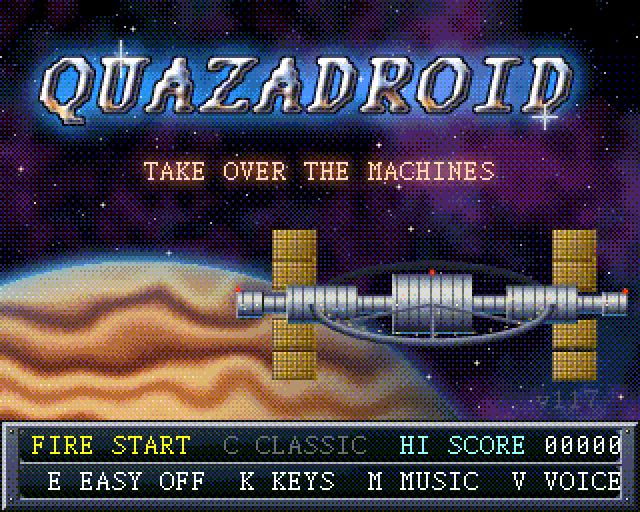
  • The title: the station against a gas giant and the stars, under a new chrome logo.
  • The decks: lit metal plates and walls with light flowing through them, consoles that flicker, lifts and pads with chasing lights, and a reactor that throbs. Each deck has its own colours.
  • The robots: each one a lit little machine with its own moving parts, casting a shadow. Bigger explosions, with debris and smoke, and sparks when a shot doesn't finish one off.
  • The rewire puzzle on a circuit board, with power flowing through glowing glass wires; the consoles on a glowing screen, with a big painted portrait of every robot in its file; the lift shows the station cut away.
  • The first test build is out: download it above and play it from the top deck to the reactor.
  • The top deck is gentler: only Sweepers, Porters, Menders and Runners.
  • Six decks, top to bottom, the robots tougher the deeper you go.
  • The lifts: stand on one and tap fire to see the station side-on and pick a deck. Clear a deck and its way down opens; a few decks have a second lift that's open from the start.
  • Decks remember you: the robots you wrecked or took stay gone, and so do the pads you used.
  • Runners and Bruisers back off for a moment after ramming you, instead of ramming you to bits.
  • The reactor is in, at the bottom of the station: one last rewire, the biggest of all. The game can now be played from start to finish, and the station tells you when you've done it.
  • The deck you're on shows on the panel, and the version on the title screen.
  • Classic mode: press C on the title for the whole deck lit, and robots you can see only while nothing stands between you.
  • Your droid has weight: it eases up to speed, glides, and brakes before it turns, each robot you ride with its own feel.
  • Each kind of robot hunts its own way: Runners charge, Bruisers cut you off, Wardens guard the doors, Sentries keep their distance. And each moves at its own speed.
  • Plugging in sparks and wipes into the puzzle, and wipes back after.
  • The takeover puzzle gives you two more seconds before the robot's signal reaches its core.
  • A short gameplay video, with sound, under Screens.
  • Dark rooms: only the room you're in is lit. The rest of the deck is dimmed and its robots hidden until you walk in; stand in a doorway to see both sides.
  • The station comes alive: doors that slide open as you come near, consoles with the deck map and the robot files, recharge pads, and an alert level that makes the robots keener the more you fight.
  • Sound: a spacey title theme, a quiet score for the decks, effects for every shot, bump and bang, and the station's own robotic voice.
  • Fighting back: tap fire to shoot, hold it to plug in; robots shoot, ram, mend and call for help; wrecks, a score, and the drone's worried face on the panel.
  • Joystick, cursor keys or your own keys; H to pause; M and V turn the music and the voice off; the high score is saved to the SD card.

Progress

Station log

  1. The deckA whole deck scrolling smoothly in every direction, joined steel walls, consoles and doors.
  2. The robotsAll eight kinds, wandering the deck, each with its own body and rank colour.
  3. The takeoverThe wiring puzzle, winning and losing, and riding the robot you won.
  4. The title screenA chrome logo over a painted station, a gas giant and the stars.
  5. Fighting backShooting eight ways, ramming, crossfire, explosions and wrecks, doors only a warden can open, a score, and the drone's face on the panel wincing as it's hurt.
  6. The station comes aliveSliding doors, consoles with the deck map and robot files, recharge pads, an alert level, and a few secrets.
  7. SoundA spacey title theme, a quiet deck score, effects, and the station's robotic voice.
  8. Your controlsRedefinable keys, cursor keys and joystick, pause, and the high score saved to the SD card.
  9. Dark roomsOnly the room you're in is lit; robots elsewhere stay hidden until you walk in.
  10. Down the stationSix decks and the lifts between them, the robots tougher the deeper you go.
  11. The reactorThe final rewire at the bottom of the station, and the station falling quiet.
  12. A first test buildThe whole game, top deck to reactor, out for testers.
  13. A new lookPainted Amiga-style art on every screen: lit robots, glowing decks, a circuit-board puzzle.
  14. TuningPlaying it through and balancing the robots and the decks.

The first test build is out: try it.